
For a community bank or credit union, the ATM is often the most visible part of the institution. It works nights, weekends, and holidays, long after the lobby closes. When a machine goes down, members notice right away, and many of them simply drive to a competitor’s ATM down the road. That is why choosing the right partner for ATM service in New Jersey matters as much as choosing the machines themselves. Maintenance, upgrades, security, and long-term planning all depend on having a provider that understands how smaller financial institutions operate.
Why Uptime Matters More for Community Institutions

Large national banks can absorb an out-of-service ATM because they have another one a few blocks away. A community bank may have only a handful of branches, so each machine carries more weight. A single cash dispenser that stays broken over a holiday weekend can frustrate members and send them looking for alternatives.
Reliable ATM service NJ begins with preventive maintenance. Routine inspections, cleaning, and part replacements catch small problems before they become outages. When something does fail, response time becomes the deciding factor. A service provider based in the region can usually reach a branch faster than one dispatching technicians from far away.
ATMs Have Become Self-Service Branches
Today’s machines do far more than dispense twenties. Many institutions now offer Interactive Teller Machines (ITMs), which connect members to a live teller over video for transactions that once required a trip inside. Teller Cash Recyclers (TCRs) help staff behind the counter handle cash more quickly and accurately, reducing time spent counting and balancing drawers.
These technologies let a smaller institution extend its hours and serve members more efficiently without adding staff. They also make the service relationship more important, because the equipment is more complex and more central to daily operations. A provider should be able to support the full range of hardware, not just traditional ATMs.
Security Cannot Be an Afterthought
ATMs are a frequent target for skimming, physical attacks, and software threats. Protecting them takes a combination of hardened equipment, current software, and regular attention from technicians who know what to look for. Outdated machines are especially vulnerable, since older operating systems and components may no longer receive security updates.
When evaluating ATM service NJ, ask how a provider handles security upgrades, anti-skimming measures, and physical protection such as safes and vaults. A good partner will raise concerns proactively rather than waiting for an incident.
Repair, Upgrade, or Replace?
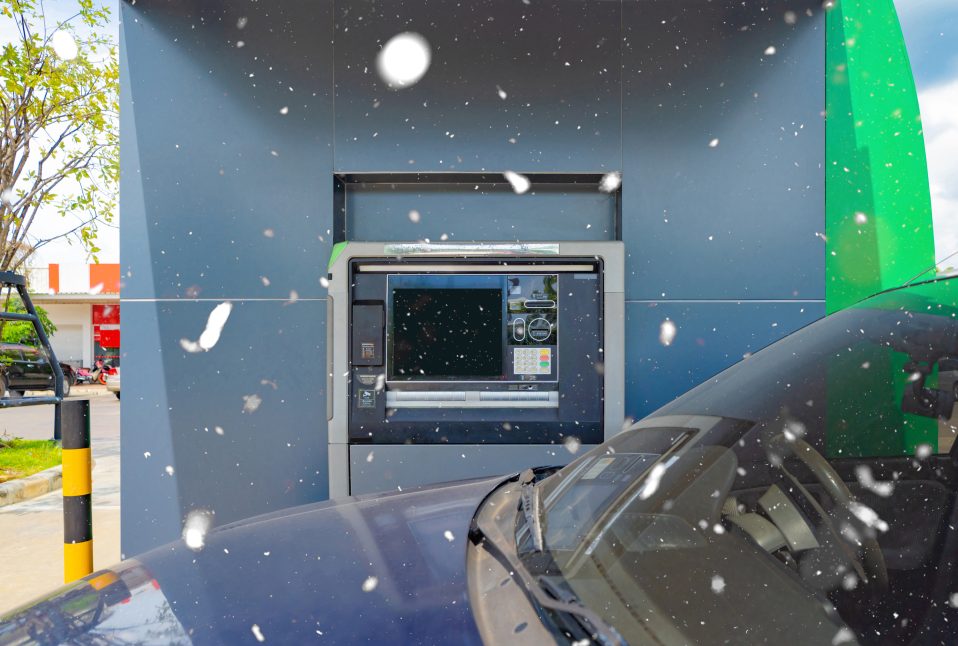
Not every aging ATM needs to be replaced. In many cases, an existing machine can be upgraded with new components or software to extend its useful life and add features. In other situations, repeated repairs cost more over time than a new unit would.
An experienced ATM service NJ provider can help an institution weigh those options honestly. That means looking at repair history, parts availability, security requirements, and the features members are asking for, then recommending the approach that makes the most financial sense.
Consider Managed Services
Many community banks do not have the internal staff to monitor and manage an ATM fleet full time. Managed services shift much of that responsibility to the provider, which can include monitoring machine status, coordinating maintenance, and handling software management. For smaller teams, this frees employees to focus on members instead of equipment.
What to Look For in a Service Partner
When comparing providers, community institutions should consider:
- Manufacturer relationships. Authorized channel partners have direct access to parts, training, and technical support.
- Regional coverage. Local technicians mean faster response and familiarity with the area’s branches.
- Breadth of support. One provider for ATMs, ITMs, TCRs, and security equipment simplifies the relationship.
- Experience with community institutions. Smaller banks and credit unions have different budgets and priorities than national chains.


